
Living at elevation is a hallmark of the Colorado lifestyle, but for those struggling with sleep, the thin mountain air presents unique challenges. If you find yourself exhausted despite a full night’s rest, the altitude may be exacerbating underlying issues. Understanding the connection between elevation and breathing is the first step toward reclaiming your energy.
The Mile High Slump: Why Sleep Apnea is Harder to Manage in Colorado

Lower Oxygen Levels Increase Respiratory Strain
At 5,280 feet and above, the atmosphere contains significantly less oxygen than at sea level. For residents already dealing with sleep apnea symptoms, this thin air means the body must work much harder to maintain blood oxygen levels. This environmental stress often leads to more frequent breathing interruptions and a much higher level of physical exhaustion.
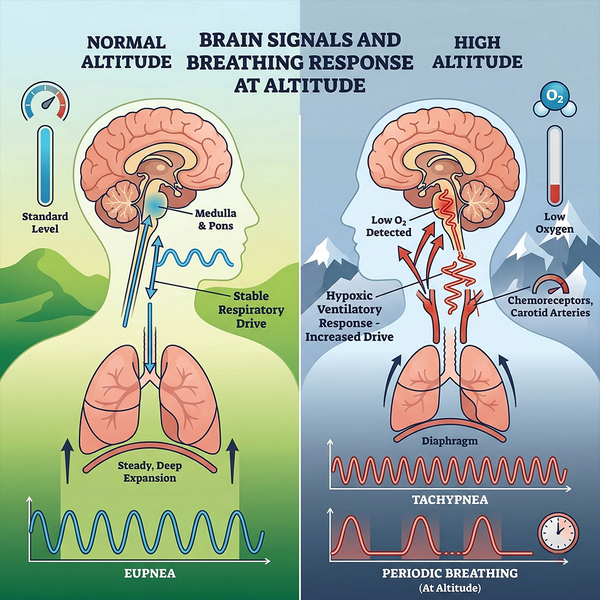
The Prevalence of High-Altitude Central Apnea
Colorado’s elevation can trigger central sleep apnea, where the brain momentarily forgets to signal the muscles to breathe. Unlike obstructive apnea caused by physical blockages, this version is often directly linked to oxygen instability at high altitudes. Many locals suffer from a complex combination of both types, making their condition particularly difficult to manage without help.

Identifying the Warning Signs of Sleep Apnea
Recognizing the signs of sleep apnea is crucial for high-altitude dwellers. Common indicators include loud snoring causes that disrupt your partner’s rest and waking up suddenly while gasping for air in sleep. If you experience morning headaches, persistent dry mouth, or severe daytime irritability, your body is likely struggling to navigate the Colorado night air.

Finding Solutions at the Sleep Center of Colorado
Managing sleep disorders in the Rockies requires a specialized approach that accounts for our unique environment. At Sleep Center of Colorado, we provide comprehensive evaluations and modern treatments like oral appliance therapy. These custom-fitted devices offer a comfortable alternative to CPAP, helping you breathe easily and consistently, regardless of how high you live.
Don’t let the Mile High Slump dictate your quality of life. Achieving restorative sleep is possible, even in our beautiful high-altitude climate. By addressing your symptoms today, you can protect your long-term heart health and mental clarity. Contact Sleep Center of Colorado to schedule your consultation and finally experience the refreshing sleep you deserve in the mountains.